Why Horse-and-Rider Matching Is Both an Art and a Professional Discipline
Finding the right horse is often described as an intuitive process, but Freddie Vazquez Jr approaches the decision from a broader perspective: successful horse-and-rider partnerships depend on much more than talent, appearance, or a strong performance during a trial ride. The most suitable match considers goals, experience, temperament, physical compatibility, and the demands of the rider’s intended discipline.
That makes horse-and-rider matching both an art and a discipline.
An experienced eye can recognize qualities that are difficult to quantify, while a structured evaluation helps prevent important considerations from being overlooked. Combining the two approaches can produce decisions that serve both horse and rider well beyond the first few weeks of ownership.
Why a Good Trial Ride Is Only One Piece of the Picture
A successful trial ride can create a powerful first impression.
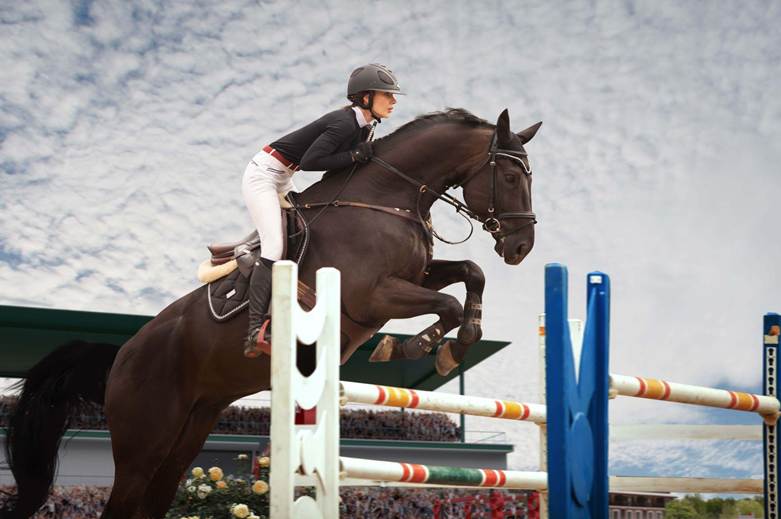
The horse may jump confidently, respond quickly, and appear comfortable with the rider. Yet a trial represents only a brief moment in a much larger relationship.
The more important question is whether the horse and rider are compatible under different circumstances.
That requires looking beyond immediate performance.
A useful evaluation considers:
- The rider’s current skill level
- The horse’s training and experience
- The rider’s competitive objectives
- The horse’s temperament
- Physical demands of the intended discipline
- Previous competition experience
- Management requirements
- The potential for continued development
A horse that looks impressive during one ride may not necessarily be the right choice for a particular rider.
Matching Goals Matters More Than Matching Talent
Talent is attractive, but compatibility often determines whether that talent can be developed effectively.
A highly experienced rider seeking to compete at an advanced level may need a very different partnership from a developing rider whose primary objective is building confidence.
Likewise, a horse with substantial competition experience may not always be the best choice for someone who needs a patient partner to develop foundational skills.
The best match begins with a clear understanding of what the rider actually wants to accomplish.
That means asking practical questions before looking at individual horses.
- Is the objective competition?
- Improved technical ability?
- A long-term partnership?
- Recreational riding?
- Developing toward a particular discipline?
The clearer the objective, the easier it becomes to identify appropriate characteristics in a horse.
Temperament Can Matter as Much as Athletic Ability
Two horses with comparable athletic ability can create completely different experiences for the same rider.
Temperament influences communication, confidence, adaptability, and the way a horse responds to unfamiliar situations.
A sensitive horse may thrive with a confident and technically precise rider. Another horse may require a rider who provides particularly consistent cues and structure. Neither temperament is inherently better. The question is whether the temperament fits the rider.
This is where experience becomes valuable. A knowledgeable evaluator can look beyond whether a horse appears calm or energetic and consider how that behavior may translate into different environments.
Experience Should Be Evaluated in Context
A horse’s experience cannot always be summarized by a competition record.
Competition mileage may indicate exposure to certain environments, but it does not automatically reveal how a horse behaves in every situation.
Consider a horse that performs consistently in familiar surroundings.
- How does that horse respond when traveling?
- What happens in a crowded warm-up area?
- How does the horse react to unexpected distractions?
- How does it recover after a difficult effort?
These questions reveal dimensions of suitability that a results sheet cannot capture on its own.
Experience is valuable, but understanding the nature of that experience is even more important.
Physical Compatibility Deserves Attention
Horse-and-rider matching is also a physical question.
The rider’s size, balance, position, and movement can influence how effectively communication occurs. The horse’s conformation, stride, movement, strength, and training level can also affect compatibility.
This does not mean there is a single ideal physical profile for every partnership.
Instead, the objective is to determine whether the physical relationship supports effective communication and comfortable movement. A mismatch can create unnecessary difficulty for both horse and rider.
The Rider’s Ambition Should Match the Horse’s Development
Ambition is valuable in equestrian sport, but expectations need to align with reality.
A rider may have immediate competitive goals while the horse requires a longer developmental timeline.
Another horse may already possess considerable experience but require a rider capable of managing that experience appropriately.
The most successful partnerships establish realistic expectations about where both participants are today and where they can reasonably progress.
This creates a more sustainable development path.
Looking Beyond the Purchase
The matching process should not end when the purchase is completed.
The first months of ownership often reveal information that was impossible to observe during a short trial.
- Horse and rider begin learning each other’s habits.
- Communication becomes more refined.
- Strengths and weaknesses become clearer.
- The training program begins to influence the relationship.
This is why a good match should be evaluated according to its potential for development rather than only its immediate appeal.
The best partnerships become better with time.
Management Requirements Are Part of Compatibility
Every horse brings management considerations.
Some may require specialized care, particular turnout arrangements, specific feeding programs, or carefully structured training schedules.
A rider’s lifestyle and available resources, therefore, matter.
A horse can be exceptionally talented while still being a poor practical match if the rider cannot provide the environment required for that horse to remain healthy and productive.
Responsible matching considers the entire management picture.
That approach protects the interests of both parties.
The Importance of Independent Evaluation
Buying a horse is an emotionally significant decision. That emotional component can make objective evaluation difficult. A horse may look impressive. A particular movement may create excitement. A strong jumping round may make the decision feel obvious.
Independent professional input can provide useful perspective.
Veterinary examinations, trainer assessments, competition records, and careful observation each contribute different information. No single evaluation method can answer every question. The goal is to build a complete picture.
Why Compatibility Is a Long-Term Concept
A good match should not be judged exclusively by how well horse and rider perform together on day one.
Compatibility can develop.
A horse may become more confident as trust grows. A rider may become more effective as communication improves. Training can strengthen physical capabilities and refine technical skills.
This means the most valuable question is sometimes not whether the partnership is perfect immediately, but whether it has the right foundation for improvement. Potential matters.
The Art Behind the Analysis
Structured evaluation provides discipline, but horsemanship remains an observational art.
Experienced professionals often notice subtle details that are difficult to express through a checklist.
- The way a horse carries itself.
- How it responds to a new rider.
- Whether it relaxes after an unfamiliar experience.
- How it reacts to correction.
- Whether its movement appears natural or forced.
- These observations do not replace objective assessment.
- They complement it.
The strongest decisions combine measurable information with accumulated experience.
Avoiding the Search for a Perfect Horse
There is rarely a universally perfect horse.
There is, however, a horse that may be particularly well suited to a specific rider at a specific stage of development. That distinction changes the buying process.
Instead of asking whether a horse is exceptional in absolute terms, riders can ask whether its qualities align with their own needs. The question becomes one of compatibility rather than perfection.
That shift can make the search more realistic and more productive.
Building a Partnership, Not Simply Making a Purchase
A horse purchase represents the beginning of a relationship rather than the conclusion of a search.
The ultimate value of a match becomes visible through months and years of training, care, communication, competition, and shared experience.
When goals, temperament, physical compatibility, management requirements, and developmental potential align, horse and rider have a stronger foundation for building trust and capability.
That is why the most thoughtful approach to horse-and-rider matching combines intuition with professional discipline.
The art recognizes possibilities. The discipline evaluates them. Together, they can turn a promising pairing into a lasting partnership.