Why the Best Horse-and-Rider Matches Are About More Than Athletic Ability
A talented horse and an experienced rider do not automatically make the right partnership. Freddie Vasquez Jr. explains that successful horse-and-rider matches also depend on temperament, confidence, communication, experience, riding style, and long-term goals. Athletic ability matters, particularly in competitive riding, but it is only one part of determining whether a partnership can develop successfully.
The right match allows both horse and rider to use their abilities effectively. That requires looking beyond what a horse can accomplish and considering how that horse accomplishes it.
Ability Does Not Tell the Whole Story
When evaluating a competition horse, athletic qualities naturally receive attention.
Scope, movement, technique, speed, balance, and experience can all influence suitability for a particular discipline or level. Competition records may provide additional information about what the horse has already accomplished.
Those qualities are important, but they do not reveal everything about how the horse feels to ride.
Two horses with similar competitive experience may provide entirely different experiences in the saddle. One may be naturally forward and sensitive, while another requires more encouragement from the rider. One may quickly respond to small adjustments, while another may perform best with a more deliberate approach.
Neither type is inherently better.
The question is which characteristics complement the individual rider.
Temperament Can Shape the Partnership
Temperament influences how a horse responds to training, unfamiliar environments, mistakes, and pressure.
Some horses are naturally confident in new surroundings. Others need additional time to become comfortable. Certain horses may be forgiving when a rider makes an imperfect decision, while others respond more strongly to small changes in balance or communication.
A rider’s temperament matters too.
A confident, experienced rider may enjoy a sensitive horse that responds immediately. Another rider may progress more comfortably with a horse that provides a steadier, more predictable feeling.
Matching temperament does not mean horse and rider must have identical personalities. In many cases, complementary qualities create a better partnership.
Riding Style Influences Compatibility
Riders develop individual ways of communicating with horses.
Differences can appear in the amount of leg or hand used, preferred pace, balance, timing, and how quickly a rider makes adjustments.
A horse accustomed to subtle aids may react differently to a rider who communicates more strongly. A horse that needs a decisive ride may not provide enough confidence for someone who prefers a naturally responsive mount.
These differences may not be obvious from watching a horse compete with another rider.
That is why experiencing the horse directly can provide information that competition results alone cannot.
The objective is not simply to determine whether the horse performs well. It is to determine whether the communication between that particular horse and rider feels understandable and repeatable.
Confidence Needs to Work in Both Directions
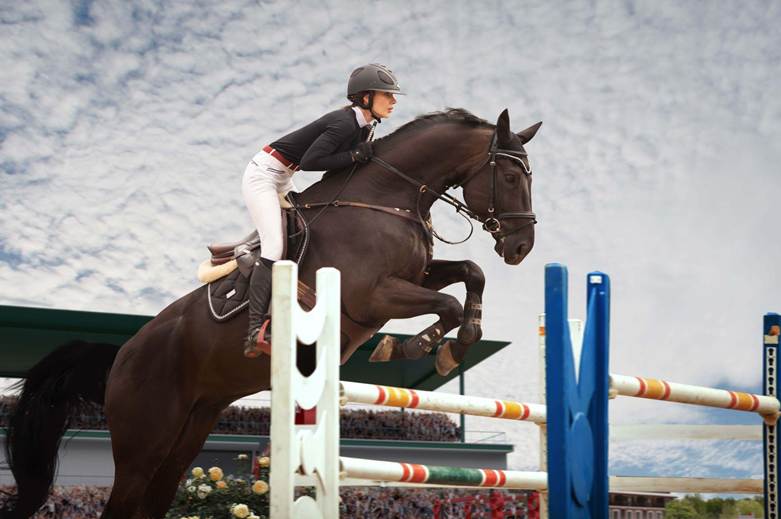
Confidence is especially important when the partnership involves jumping.
The rider needs to trust that the horse will respond appropriately when approaching a technical question. The horse also needs to receive clear, consistent communication from the rider.
A mismatch can gradually weaken confidence.
If a rider constantly feels that a horse is too strong, too sensitive, or difficult to predict, ordinary challenges can become larger. Likewise, inconsistent communication may make it harder for the horse to understand what is expected.
The strongest partnerships are not necessarily those that never encounter mistakes.
They are often those in which the horse and rider can recover from an imperfect moment without losing confidence in each other.
Experience Should Match the Rider’s Current Needs
An experienced horse can offer valuable knowledge, particularly for a rider developing new skills.
However, experience should be considered in context.
A horse may have competed successfully at a high level but still require a particular type of ride. Another horse with a less impressive record may be more suitable because its experience, temperament, and way of going align better with the rider’s current abilities.
The rider’s experience also matters.
A developing rider may benefit from a horse that allows mistakes without becoming unsettled. A more advanced rider may be comfortable working with a younger or less experienced horse that requires further development.
Matching should therefore focus on what both participants need now rather than simply comparing accomplishments.
Current Goals Matter as Much as Past Results
A horse’s record describes the past. A good match also needs to support the rider’s future.
Some riders want to move into a more demanding division. Others want greater consistency at their current level. A rider may prioritize confidence, technical development, or opportunities to compete more frequently.
Those goals affect what kind of horse is appropriate.
A horse selected primarily because of impressive past results may not necessarily support the rider’s next stage of development.
Before evaluating potential matches, it can be useful to clarify:
- What level does the rider currently compete at?
- What does the rider hope to accomplish next?
- Which skills still need development?
- How much experience should the horse provide?
- What type of ride gives the rider confidence?
- How much ongoing training will the partnership require?
Clear goals make it easier to evaluate suitability beyond athletic talent.
A Trial Ride Provides Only One Snapshot
Trying a horse is an important part of evaluating compatibility, but one ride cannot answer every question.
A horse may feel different in a familiar home environment than at a competition. The rider may also need time to understand the horse’s responses.
Rather than focusing exclusively on whether every exercise goes perfectly, a trial can reveal how the communication feels.
Does the rider understand the horse’s rhythm? Can adjustments be made without creating tension? How does the horse respond when something is imperfect? Does confidence improve as the ride continues?
These observations can be more revealing than one particularly impressive jump.
Practical Considerations Still Matter
Compatibility extends beyond riding characteristics.
A horse’s care requirements, fitness program, competition schedule, age, veterinary history, and management needs can influence whether the partnership is practical over time.
The rider’s available training support should also be considered.
A horse that requires highly specialized management or consistent professional riding may be appropriate in one program but difficult to maintain in another.
Evaluating these practical realities alongside performance can reduce the likelihood of selecting a horse that works well temporarily but does not fit the rider’s broader circumstances.
Partnerships Need Time to Develop
Even a carefully selected horse-and-rider combination may not feel completely established immediately.
Both participants need time to learn each other’s signals and tendencies.
The rider begins to recognize how the horse responds in different situations. The horse becomes familiar with the rider’s balance, aids, and expectations.
Consistent training can gradually make communication more efficient.
Early imperfections do not necessarily indicate a poor match. The more important question is whether the partnership becomes clearer and more confident as experience together increases.
Final Thoughts
Selecting a horse based only on athletic ability overlooks many of the qualities that determine how a partnership functions day after day.
Temperament, riding style, confidence, experience, goals, management requirements, and communication all contribute to compatibility.
Competition records and athletic qualities remain valuable pieces of information, but they cannot show exactly how a particular horse will interact with a particular rider.
The best match is therefore not always the horse with the most impressive record or greatest raw ability. It is the horse whose capabilities and characteristics support what the rider needs now and where that rider hopes to go next.
When those qualities align, athletic ability becomes part of a broader partnership rather than the only reason for creating one.